The state-run public education systems, which are governed by the federal, state, and local governments, are principally in charge of managing education in India. Children ages 6 to 14 are entitled to free and compulsory education as a fundamental right under many articles of the Indian Constitution and the Right of Children to Free and Compulsory Education Act, 2009. There are around ten times as many public schools in India as there are private ones.
The national education budget is 2.9% of GDP, according to Education Minister Dhamendra Pradhan. English, Bengali, Boro, Dogri, Gujarati, Hindi, Kannada, Kashmiri, Konkani, Maithili, Malayanam, Manipuri, Marati, Telugu, Tamil, Urdu, and other languages are the main languages used in the general details. federal, state, and private system types.
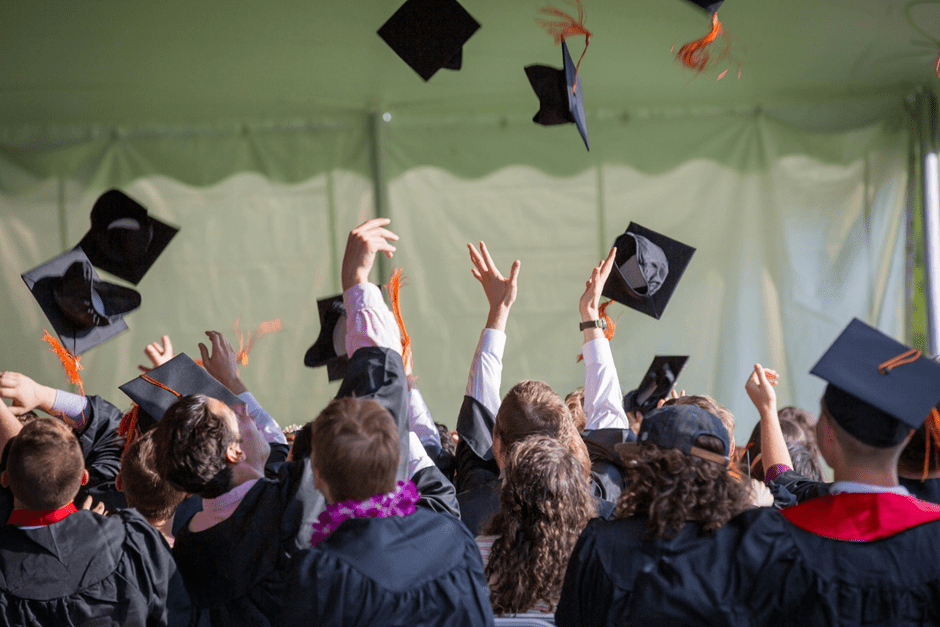
Early childhood education, primary school, secondary education, higher education, and vocational education are just a few of the several levels and forms of learning that are covered in Indian education. It differs greatly depending on a number of variables, including geography, gender, caste, region, language, and handicap.
There is still much space for improvement in India’s educational system, including expanding educational access, raising educational standards, decreasing inequalities, decreasing dropout rates, raising enrollment and completion rates, improving learning outcomes and employability, bolstering accountability and governance, encouraging innovation and technology, and mitigating the effects of the COVID-19 pandemic.
It is influenced by a number of national and state-level policies and programs, including the national education policy 2020, the Samafra Shiksha Abhiyan, and the midday breakfast program.
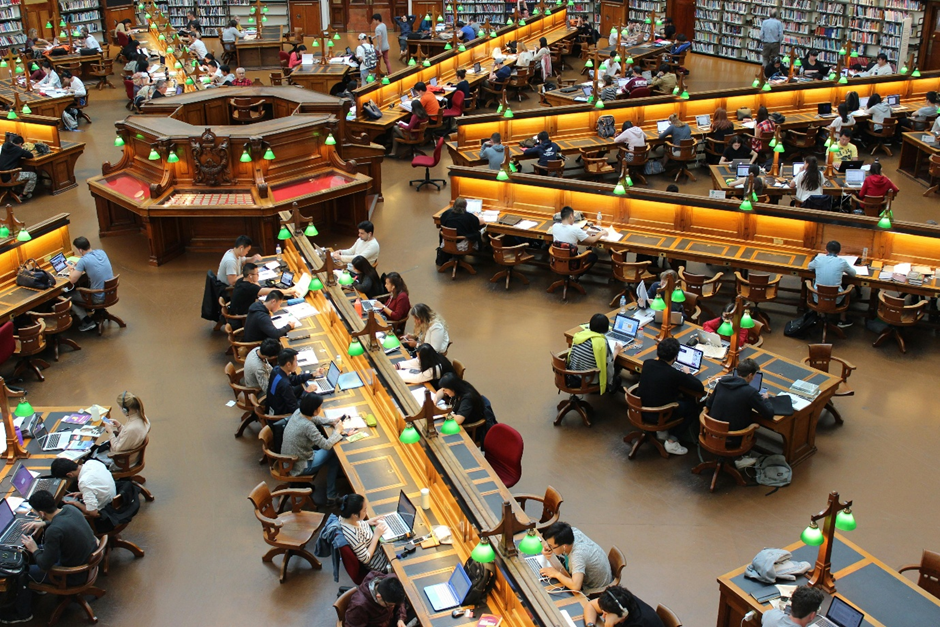
India’s education system is beset by problems like grade inflation, corruption, fraudulent courses offered by unaccredited institutions, and a dearth of job opportunities for graduates. In India, half of all graduates are deemed unemployed.
ISSUES
According to the 2016 Annual Survey of Education report, 3.5% of Indian schools have functional restrooms. but only 68.7% of schools had functional restrooms. In 2016, 75.5% of the schools examined had a library, down from 78.1% in 2014. In 2010, 32.9% of schools had separate restrooms for girls; by 2016, that number had risen to 61.9%.
RURAL EDUCATION :
A block development officer was in charge of a 150 square mile area that might be home to up to 70,000 people.
OPEN AND DISTANCE LEARNING IN INDIA:
A style of education known as “open schooling” enables students to further their education using adaptable and extensible teaching strategies. It is mainly intended for kids who, for a variety of reasons, including employment obligations, financial constraints, or other personal circumstances, are unable to attend normal schools.
The Indian Ministry of Education oversees the country’s nationwide open schooling system. At the secondary (10th grade) and senior secondary (12th grade) levels, NIOS provides a range of academic and practical courses. It offers instruction using open and distance learning techniques and has a learner-centric approach.
 vividlife
Leave a comment